Nicotine kills. This is a statement that probably led many of us to decide not to smoke or to quit smoking. However, it turns out that simply breathing the air outside can cause just as much damage to our health.
What is going on?
The effects of rising temperatures on Earth — wildfires in particular — are a major threat to human health.
In the last two decades, air quality in the United States has improved due to policies such as the Clean Air Act. However, the increased frequency and severity of wildfires due to rising temperatures is wiping out much of it, according to Marshall Burke, associate professor of Earth System Science at Stanford.
A study by the Stanford Woods Institute for the Environment reports that 15 to 20 years ago, only up to 10% of PM2.5 pollution – fine inhalable particles with diameters of 2.5 micrometers or smaller – was from wildfire smoke, but in recent years, the national level has risen to 25%, with areas in the West reaching 50% of the fire.
Why is this increase concerning?
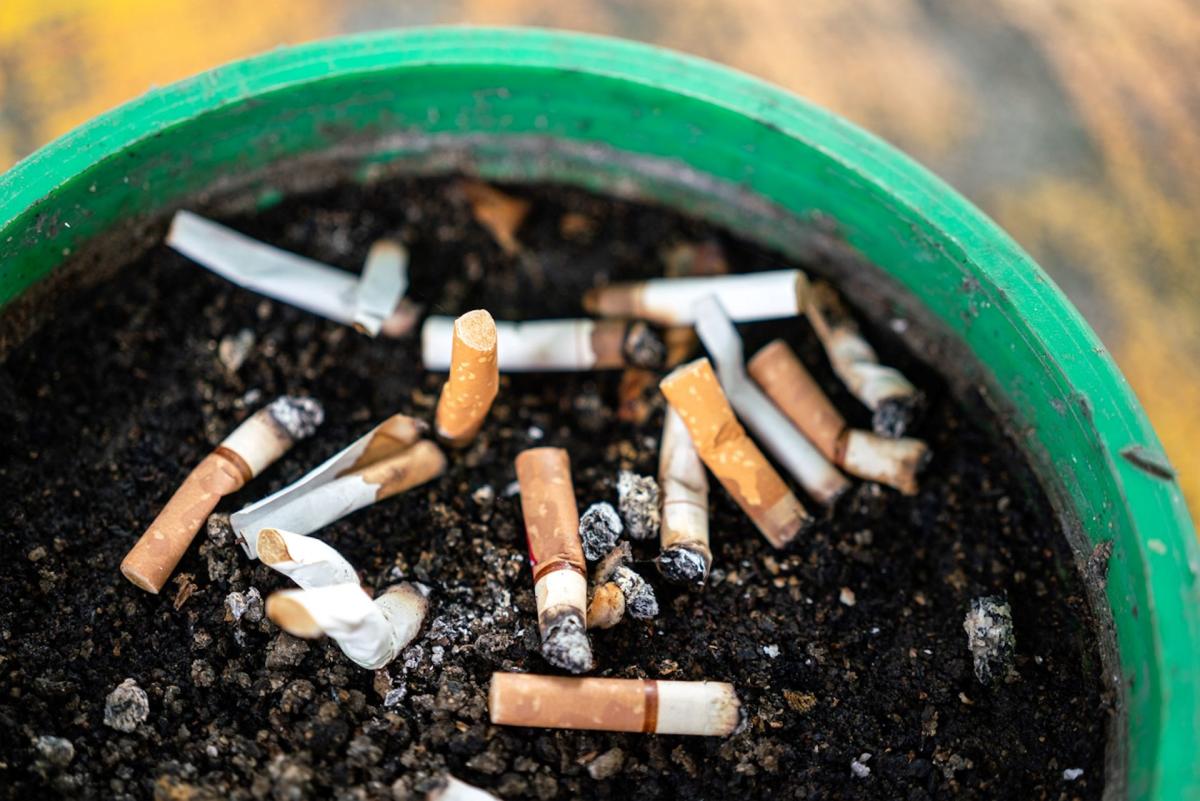
The higher the levels of PM2.5 in the air, the worse the Air Quality Index (AQI). Kari Nadeau, professor of Pediatric Food Allergy, Immunology and Asthma at Stanford, explains that an AQI measurement caused by fire smoke of 20 is equivalent to smoking one cigarette a day, and an AQI of 150 for several days – if someone was outside all the time – is equivalent to about seven cigarettes a day.
It also indicates that even if you stay indoors, the polluted air may be leaking. Furthermore, the analogy does not take into account airborne toxins – such as those from burning cars and buildings – caused by wildfires that can go beyond the dangers of cigarettes.
What can you do to protect yourself from wildfire smoke?
Stay indoors as much as possible, and use a HEPA air filter in your home. If you have to go outside, wear a mask and limit your activity.
For the bigger picture, we can work to reduce the frequency and severity of wildfires by reducing the Earth’s overheating by avoiding single-use plastics, integrating clean energy at home, and limiting our methane gas burning by taking public transportation, riding a bike, or upgrading to an electric vehicle.
Join our free newsletter for weekly updates on the coolest innovations improve our lives and save our planet.